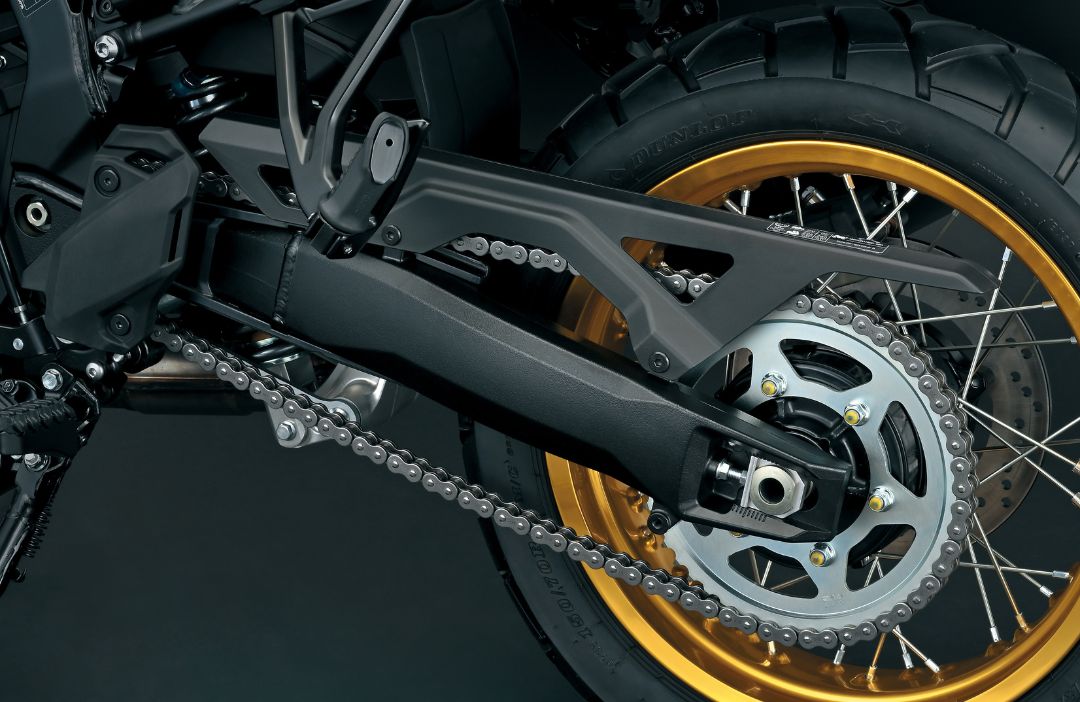
Industrial bipedal robots deployed in complex, unstructured manufacturing and logistics environments...
Read Article →
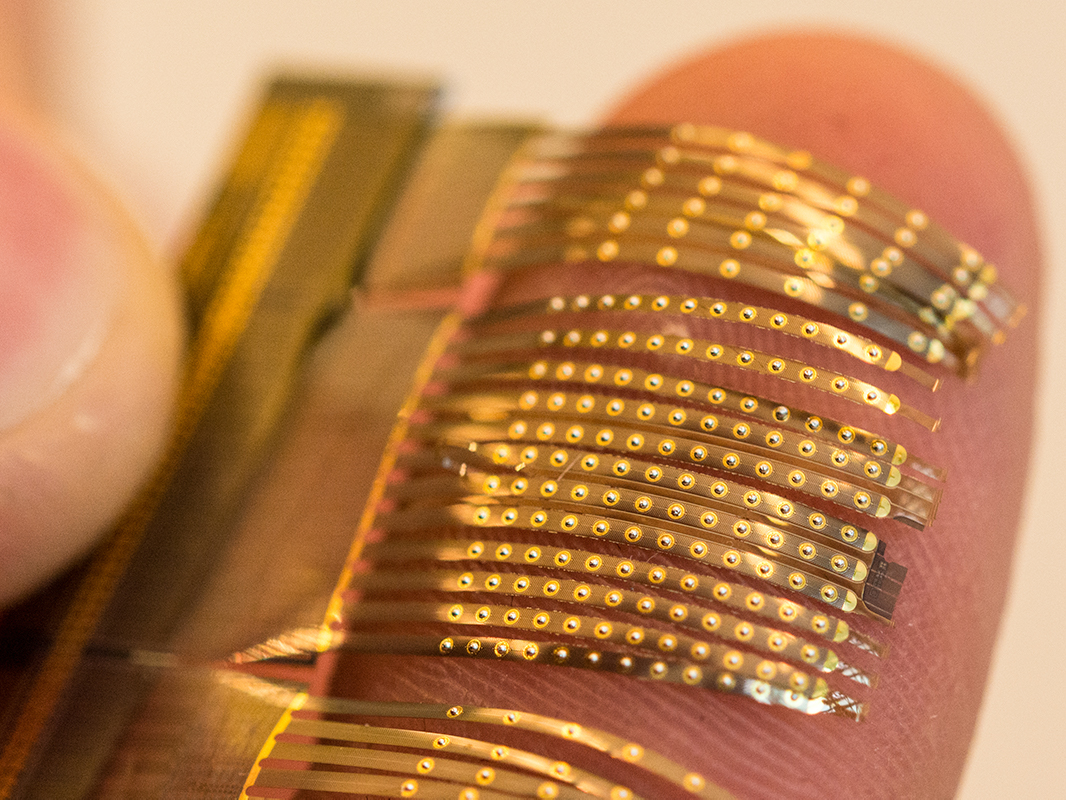
Executing fine-motor manipulation tasks—such as handling fragile glass containers, flexible electron...
Read Article →
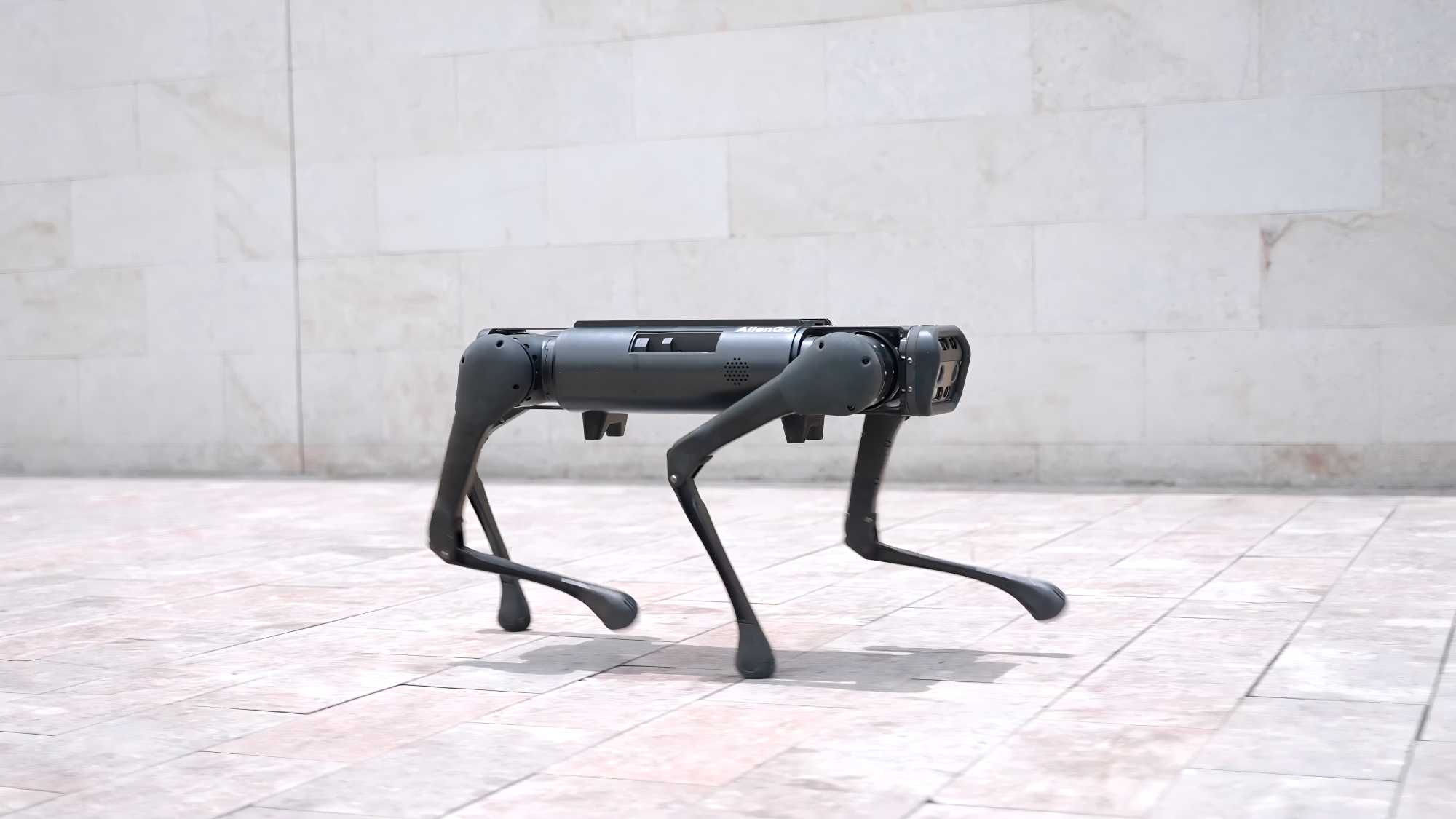
As humanoid robots venture deeper into dynamic human environments, relying on cloud-based computing ...
Read Article →
Modern automated industrial facilities frequently deploy heterogeneous robotic workforces comprising...
Read Article →
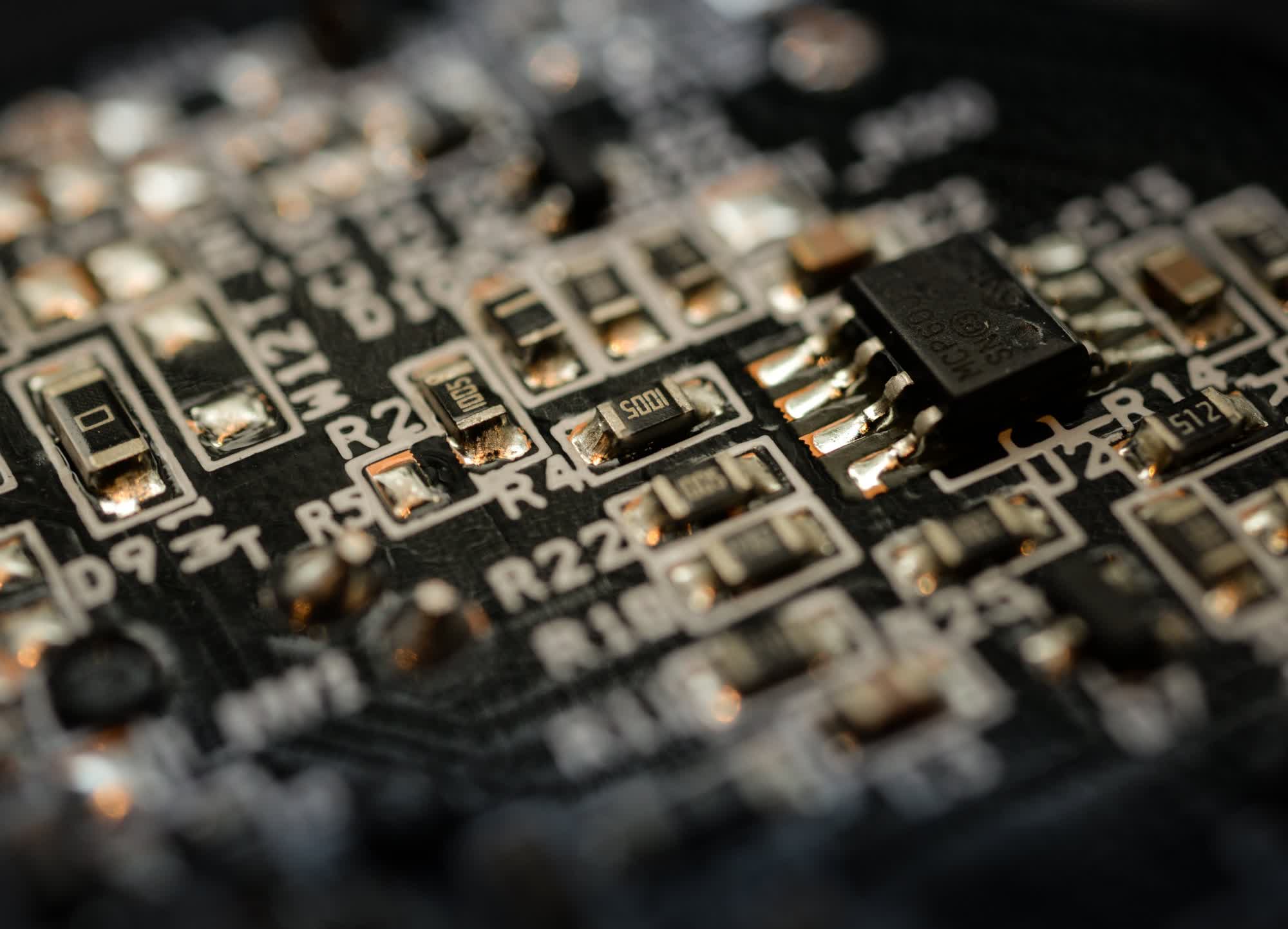
Hardware Design QuarterlyPacking high-performance neural processing chips, heavy-duty power inverters, and multi-axis motor drivers into the compact torso cavities of humanoid robots creates severe thermal concentration challenges that routinely cause hardware throttling and unexpected system shutdowns during continuous, heavy-duty operational shifts. Traditional liquid-cooling loops and external cooling fans introduce vulnerable plumbing connections, acoustic noise, and high failure rates in dusty industrial environments. To overcome these thermal engineering barriers, materials researchers and hardware designers have engineered an advanced solid-state thermal management system utilizing advanced phase-change composite plates and high-efficiency thermoelectric modules integrated directly into structural chassis components. As internal processors and motor controllers generate intense heat during intensive lifting tasks, paraffin-infused phase-change materials absorb thermal energy isothermally, while solid-state Peltier elements actively pump heat away from critical component hotspots toward the outer structural shell for passive ambient dissipation. Rigorous thermal chamber evaluations simulating continuous twenty-four-hour industrial workloads verified that solid-state cooling maintained stable core processor temperatures without requiring noisy fans or liquid maintenance, preserving peak computational performance indefinitely. Facility engineers noted that eliminating liquid-cooling risks significantly enhances the long-term reliability and ruggedness of mobile robotic assets operating in unconditioned warehouse environments.
Executing intricate fine-motor manipulation tasks—such as threading fasteners, assembling miniature electronic circuits, or handling delicate laboratory glassware—has long been hampered by the mechanical backlash, friction losses, and rigidity inherent in traditional gear-driven robotic hands. Emulating the elegant biomechanics of human musculoskeletal systems, mechatronics designers have successfully deployed a biomimetic tendon-driven articulation architecture within multi-fingered robotic hands and forearm assemblies. In this innovative setup, high-strength polymer tendon cables fabricated from ultra-high-molecular-weight polyethylene are routed through low-friction internal conduits, connecting remote electric actuators housed securely in the forearm directly to individual finger joints. When tension is applied or released, the polymer tendons pull against opposing elastic ligaments, providing smooth, compliant movement with zero mechanical backlash and exceptional shock absorption capacity when encountering unexpected rigid obstacles. Extended precision testing in automated electronic assembly cleanrooms confirmed that tendon-driven hands achieved sub-millimeter positional repeatability while safely absorbing sudden impact forces that would otherwise strip conventional metal gear teeth. Maintenance engineers emphasized that routing actuators away from the fingers significantly reduces distal limb weight and rotational inertia, vastly improving dexterity and operational longevity for advanced humanoid manipulators.
Industrial Safety TechAs collaborative humanoid robots operate in increasingly close physical proximity to human workers on shared factory floors, relying solely on traditional computer vision or post-impact tactile skin layers leaves a dangerous reaction window that can result in accidental bruising or collisions during rapid movements. Closing this critical safety gap, industrial safety engineers have engineered distributed acoustic proximity skin layers composed of flexible elastomer sheets embedded with microscopic piezoelectric transducer rings across the robot's torso, arms, and shoulders. These distributed transducers continuously emit and monitor high-frequency ultrasonic waves, establishing a real-time 'collision-free safety bubble' extending several centimeters outward from the robot's physical surface. When an unexpected human limb or foreign object enters this immediate acoustic perimeter, the localized sound wave reflections shift instantaneously, signaling the onboard safety processor to initiate smooth, anticipatory braking curves and velocity scaling before any physical contact occurs. Comprehensive collaborative testing in fast-paced automotive manufacturing lines demonstrated that acoustic proximity skins eliminated emergency hard stops completely by replacing abrupt halts with fluid, human-aware deceleration profiles. Safety compliance officers highlighted that establishing continuous non-contact safety bubbles dramatically reduces worker anxiety and redefines industry standards for safe human-robot collaboration.
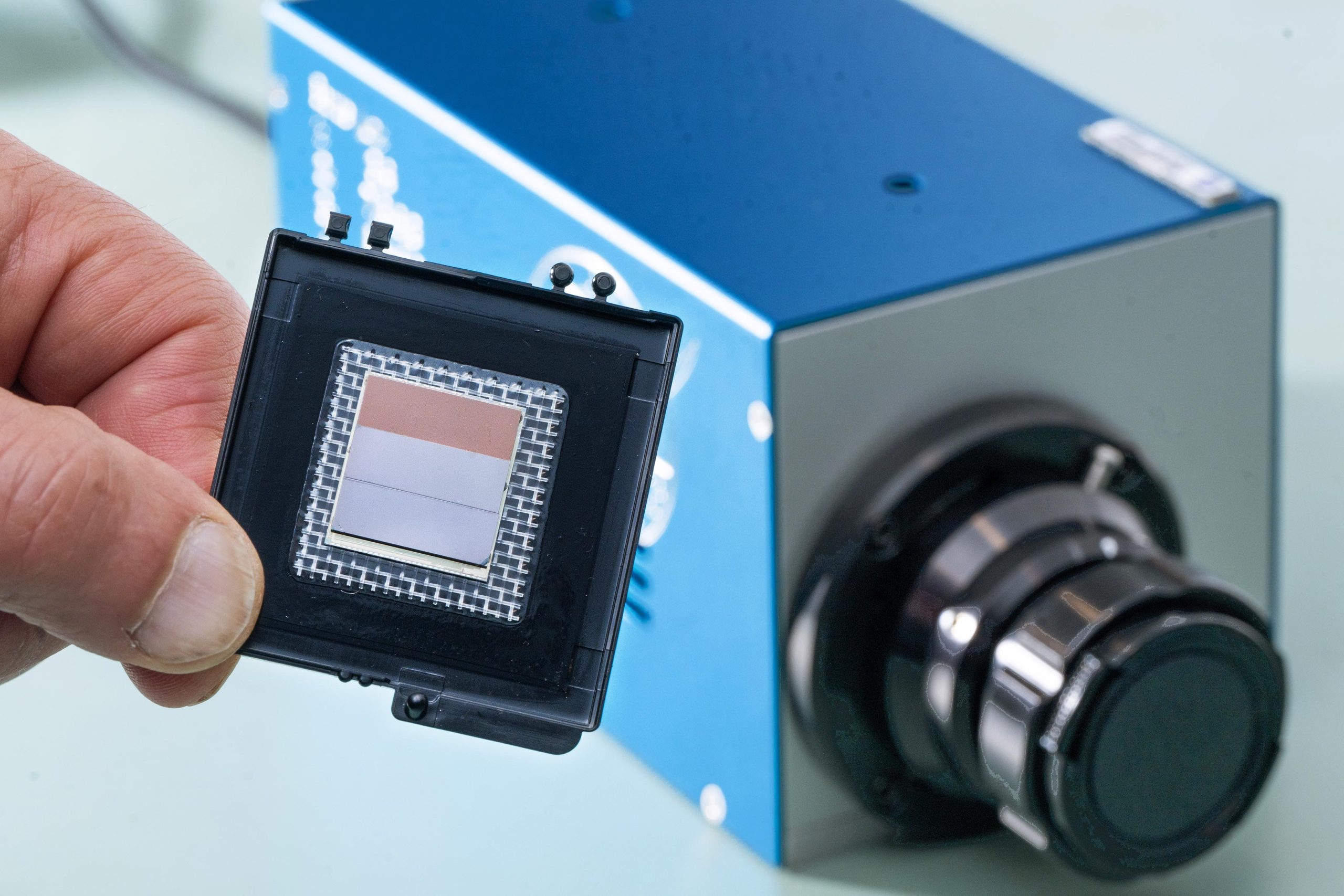
Vision Systems DesignStandard frame-based optical cameras processing high-definition video feeds frequently suffer from motion blur, high latency, and massive computational overhead when tasked with tracking fast-moving objects or operating in environments with extreme lighting fluctuations. Revolutionizing machine perception, robotics researchers have successfully deployed neuromorphic event-based vision sensors onto the head-mounted tracking modules of high-performance humanoid robots. Unlike traditional cameras that capture static images at fixed frame rates regardless of scene activity, event-based sensors feature asynchronous pixels that fire data packets exclusively when local illumination changes occur, mimicking the biological retinas of mammalian visual systems. This bio-inspired paradigm eliminates redundant background pixel processing, reducing data bandwidth and computational energy consumption by over eighty percent while offering microsecond temporal resolution. During rigorous performance benchmarks where humanoid units were tasked with intercepting fast-falling tools and tracking high-speed components on rapid assembly lines, event-based vision processors maintained flawless tracking accuracy without motion blur or processing lag. System developers emphasized that asynchronous event vision unlocks unprecedented reaction speeds for autonomous robots operating in chaotic, unpredictable industrial settings.
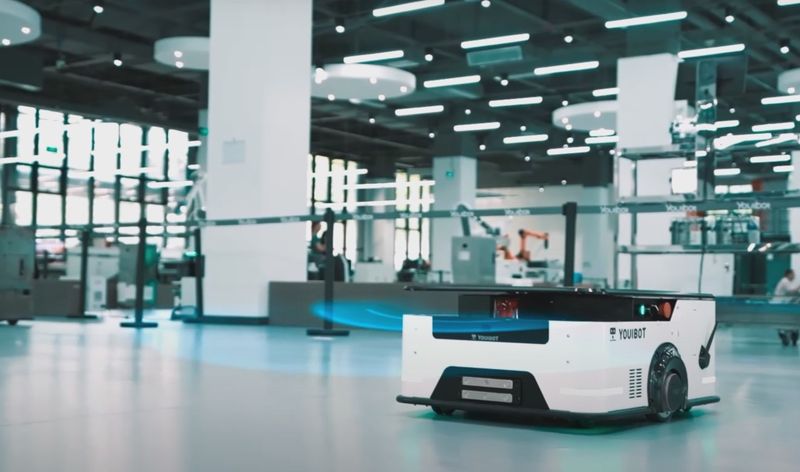
Logistics Automation JournalSprawling e-commerce fulfillment centers deploying large fleets of autonomous mobile robots and humanoid workers have traditionally depended on centralized wireless routers and facility servers to coordinate navigation paths and assign daily transport tasks, creating a systemic single point of failure where network jitter, Wi-Fi dead zones, or server crashes can paralyze entire operations. To eradicate this vulnerability, automation software architects have implemented robust decentralized sub-gigahertz peer-to-peer mesh networking protocols across mixed robotic work crews. In this resilient architecture, every robot functions as an independent communication node, utilizing short-range radio frequencies to communicate directly with neighboring units, sharing local traffic density updates, negotiating right-of-way at blind intersections, and redistributing unassigned logistics tickets dynamically without routing data through external infrastructure. Field stress tests conducted inside massive multi-level distribution hubs demonstrated that peer-to-peer mesh networks maintained flawless coordination and uninterrupted workflow continuity even during simulated wide-area Wi-Fi blackouts and server outages. Operations directors emphasized that decentralized mesh architectures transform brittle, server-dependent automation setups into resilient, self-healing industrial workforces capable of maintaining 24-hour operational uptime under adverse facility conditions.
Hardware Engineering JournalDesigning bipedal humanoid robots capable of lifting heavy commercial payloads without tipping over or burning out joint motors requires minimizing structural dead weight while maximizing torsional rigidity across limbs and torso frames. Addressing this fundamental mass-to-payload challenge, hardware engineering teams have replaced heavy aluminum castings and steel structural skeletons with advanced graphite-epoxy composite framing. Utilizing automated multi-axis fiber placement techniques, high-strength carbon filaments are wound along optimized stress vectors to create hollow monocoque limb spars and torso exoskeletons that exhibit exceptional tensile strength and stiffness while shedding up to forty percent of total structural body mass. This substantial reduction in limb inertia allows onboard electric motors and actuators to operate well within safe thermal thresholds while accelerating limbs faster and lifting significantly heavier external weights relative to the robot's own total body mass. Rigorous payload benchmark evaluations demonstrated that graphite-epoxy exoskeletons successfully increased maximum lift capacity to body weight ratios beyond industry averages without compromising structural integrity during dynamic walking cycles. Materials specialists emphasized that bringing aerospace-grade composite manufacturing into humanoid robotics unlocks unprecedented payload efficiency for industrial service machines.
Robotics Mechanics ReviewRotary joints in industrial humanoid robots—particularly shoulders, elbows, and hips—endure millions of high-torque rotation cycles under heavy loads, frequently leading to accelerated mechanical wear, backlash accumulation, and lubrication breakdown in conventional gearboxes and harmonic drives. Overcoming this persistent maintenance bottleneck, robotics mechanics researchers have successfully developed a contactless magnetic resonance actuation system designed for heavy-duty rotary humanoid joints. By utilizing advanced magnetic field resonance principles, torque is transmitted smoothly across microscopic air gaps between concentric stator and rotor assemblies without requiring meshing gear teeth, sliding friction points, or traditional mechanical contact bearings. This contactless torque transmission entirely eliminates mechanical wear, debris generation, and backlash, ensuring that joint precision remains factory-fresh throughout years of continuous multi-shift operation in dusty, abrasive industrial plants. Extended endurance trials in cement manufacturing and foundry environments demonstrated zero measurable torque degradation or mechanical backlash after tens of millions of continuous rotation cycles, completely bypassing the routine gearbox replacement intervals required by standard actuators. Maintenance leads noted that magnetic resonance actuation dramatically reduces total cost of ownership and maximizes operational uptime for robots deployed in harsh industrial settings.
Sensor Tech InsightsAutomating the assembly of consumer electronics and delicate electrical harnesses frequently requires humanoid robots to insert flexible printed circuit (FPC) connectors and tiny ribbon cables into tight motherboard sockets—a task complicated by component tolerances, pin bending risks, and complex insertion resistance forces. Solving this micro-assembly challenge, sensor engineers have developed variable-stiffness impedance-controlled fingertip matrices embedded with dense arrays of micro-force sensors and adjustable elastomer cushions. As the robotic fingers approach a connector socket, real-time feedback loops monitor insertion resistance and contact impedance at kilohertz frequencies, allowing the hand controller to dynamically modulate fingertip compliance on the fly. When initial pin contact is made, the fingertips soften to gently wiggle, align, and snap delicate electrical pins into place without exerting excessive force that could fracture fragile connectors or bend terminal pins. Production line evaluations inside high-volume smartphone manufacturing facilities recorded a near-zero defect rate across millions of automated connector insertions, drastically outperforming rigid pneumatic grippers. Quality control inspectors highlighted that impedance-controlled fingertip matrices bridge the final dexterity gap required for robots to master intricate electronics manufacturing workflows.
Edge AI WorldEquipping advanced humanoid robots with extensive tactile electronic skin arrays generates massive streams of high-frequency sensory data that can quickly overwhelm traditional computing processors and drain onboard battery reserves during extended operational missions. Addressing this severe power consumption barrier, artificial intelligence researchers have successfully deployed asynchronous spiking neural network (SNN) chips directly onto the edge processing boards of humanoid platforms. Modeled closely on biological neural signaling in animal brains, SNN processors communicate exclusively via discrete, asynchronous electrical spikes fired only when meaningful sensor changes occur, remaining entirely silent during static periods to eliminate idle computational overhead. When high-frequency tactile streams from fingertip matrices and skin patches pass through the neuromorphic chip, spatial and temporal pressure patterns are parsed instantaneously with sub-millisecond reaction speeds while consuming a fraction of the electrical power demanded by conventional graphics processors. Extensive field tests on untethered inspection humanoids demonstrated a measurable extension in battery longevity while maintaining flawless tactile slip and texture recognition capabilities. System integrators emphasized that spiking neural network hardware provides the crucial energy-efficient computational backbone needed for large-scale sensory integration in mobile robots.
Fleet Automation NewsIn modern advanced manufacturing facilities featuring collaborative assembly lines where human operators and bipedal humanoid robots work side-by-side, static task assignment schedules frequently lead to workflow bottlenecks, idle worker downtime, and inefficient asset utilization when production pacing fluctuates unexpectedly. To optimize hybrid workforce productivity, software architects have formulated advanced dynamic task-allocation protocols driven by real-time telemetry and worker fatigue monitoring. Utilizing distributed auction algorithms running over local wireless mesh networks, the system continuously monitors assembly line pacing, station backlogs, and biometric or ergonomic fatigue indicators of human operators. When a bottleneck or slowdown is detected at a specific workstation, the task-allocation protocol instantly reassigns heavy lifting, parts replenishment, or repetitive sub-assembly duties between human operators and available humanoid units to maintain optimal line balance. Comprehensive empirical testing across major automotive assembly lines demonstrated a significant boost in overall line throughput and a marked reduction in ergonomic strain reported by human workers. Operations managers emphasized that dynamic task-allocation protocols ensure seamless, stress-free synergy across mixed human-robot teams, transforming rigid factory floors into highly adaptable manufacturing environments.
As bipedal humanoid robots execute dynamic running, jumping, and traversing maneuvers across hard concrete industrial floors, repetitive high-energy heel strikes generate severe shock waves that travel up the legs, threatening to damage sensitive joint actuators, delicate encoders, and internal wiring harnesses. Solving this structural protection challenge, materials engineers have utilized selective laser melting to fabricate advanced 3D-printed titanium internal lattice structures embedded directly within the lower leg and foot assemblies of humanoid platforms. Inspired by the porous trabecular architecture found in natural mammalian bone, these generative lattice cores feature optimized spatial geometries that compress progressively upon impact, absorbing and dissipating high-frequency kinetic shock energy before peak forces can reach vulnerable actuators. Extensive drop-test evaluations and running endurance benchmarks demonstrated that additive lattice cores successfully reduced peak shock transmission to internal gearboxes by over sixty percent, preventing structural fatigue and micro-fractures during high-speed locomotion. Materials scientists emphasize that 3D-printed metal lattice technology enables the creation of lightweight, highly shock-absorbent skeletal components that significantly enhance the durability and operational lifespan of mobile robots operating in demanding real-world environments.
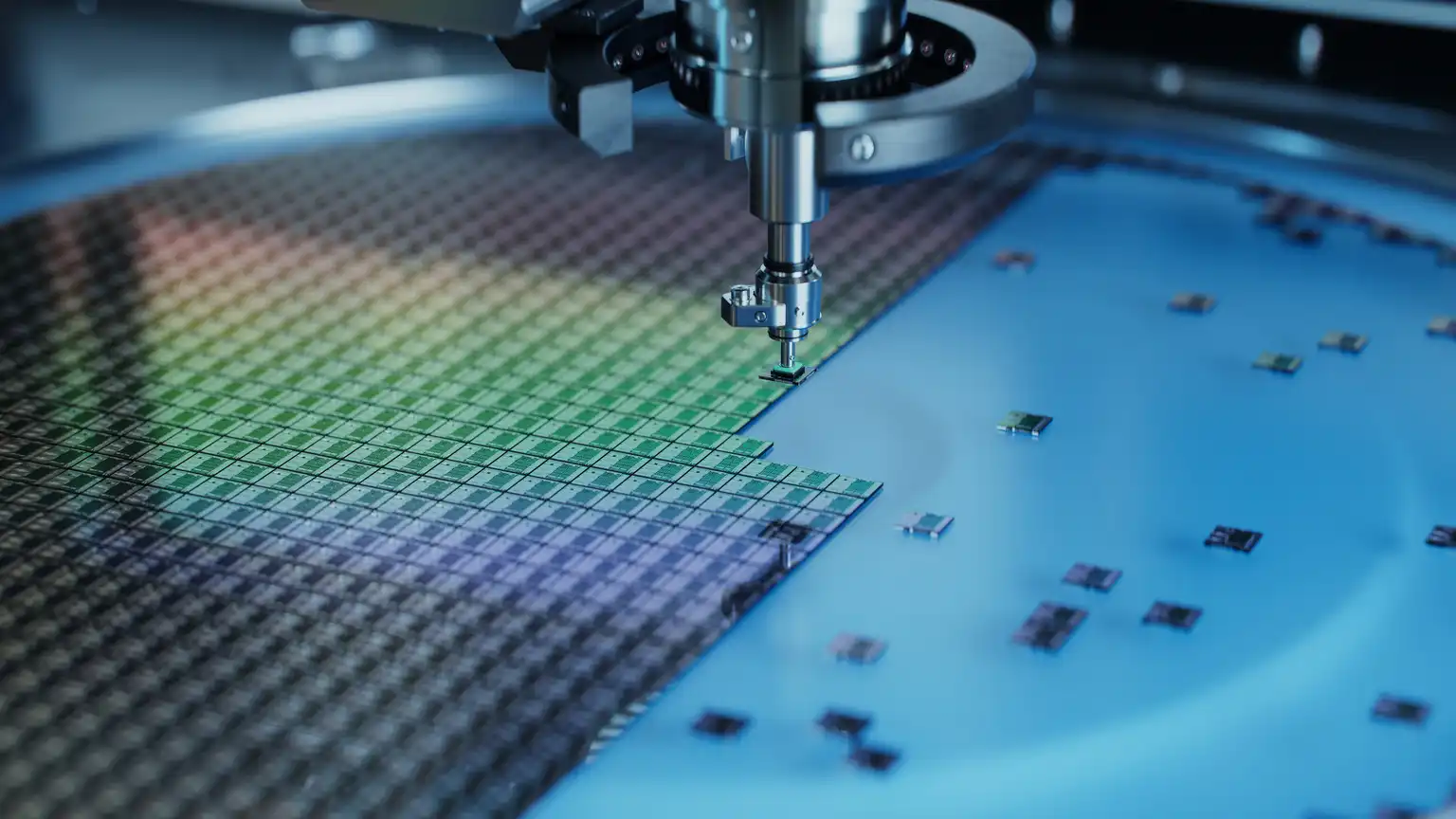
Cleanroom Technology TodayHandling ultra-clean semiconductor wafers, microscopic optical glass lenses, and delicate biochemical substrates in sterile cleanroom environments requires extreme care, as traditional mechanical vacuum suction cups and robotic fingers can leave microscopic scratches, chemical residues, or particulate contamination that ruin high-value components. Eliminating physical contact entirely, mechatronics engineers have successfully integrated high-frequency acoustic levitation grippers into the end-effectors of cleanroom humanoid assistants. By generating powerful ultrasonic standing waves between opposing acoustic emitter plates, these specialized grippers create a stable, invisible acoustic pressure cushion that securely suspends delicate silicon discs and fragile substrates mid-air without touching their surfaces. The robotic arm can transport and position the levitated wafer accurately across the cleanroom benchtop while the acoustic field maintains absolute contamination-free containment. Quality audits conducted within high-throughput semiconductor fabrication facilities confirmed zero particle shedding or surface scratching during automated wafer transfer operations, easily meeting stringent ISO cleanroom purity standards. Facility directors emphasized that acoustic levitation technology opens entirely new horizons for contamination-free robotic handling in sensitive electronics and life science manufacturing.
Nondestructive Testing JournalInspecting complex composite airframes, carbon-fiber aerospace panels, and multi-layer structural welds for hidden subsurface defects, micro-cracks, and internal delaminations has traditionally required bulky, offline nondestructive testing equipment that cannot be easily integrated into automated robotic manufacturing workflows. Solving this inspection bottleneck, sensor architects have embedded advanced multispectral infrared tactile sensor arrays directly into the end-effectors and inspection probes of industrial maintenance humanoids. By combining localized thermal excitation with high-resolution short-wave infrared optical detection, the sensor array analyzes subsurface thermal dissipation rates in real time as the robot glides across composite surfaces, identifying hidden structural flaws and internal delaminations that remain completely invisible to standard optical cameras and surface touch sensors. During live testing inside aerospace manufacturing facilities, the multispectral inspection humanoids successfully mapped internal composite defects with high precision during active friction welding and assembly verification tasks. Quality assurance leads highlighted that bringing advanced subsurface thermal inspection directly to the robot's manipulation unit streamlines quality control workflows, ensuring absolute structural safety and reliability for critical aerospace components.
AI Security ReviewTraining advanced artificial intelligence navigation and manipulation models across large fleets of commercial humanoid robots typically requires centralizing massive volumes of operational sensor logs and factory floor telemetry, introducing severe cybersecurity risks, proprietary data exposure hazards, and massive bandwidth overhead. Addressing these privacy and security challenges, artificial intelligence researchers have implemented robust federated reinforcement learning frameworks across multi-vendor robotic fleets. In this decentralized machine learning paradigm, individual humanoid units train and refine their local neural network policies onboard using local operational experience gained during daily warehouse and factory tasks, periodically sharing only encrypted, generalized model weight updates rather than raw sensor recordings or proprietary facility layouts with a central server aggregator. The global model is then synthesized and pushed back out to the fleet, allowing all robots to benefit collectively from decentralized experiential learning while maintaining absolute data confidentiality. Industrial cybersecurity audits confirmed that federated learning prevents factory layout leaks and safeguards sensitive operational telemetry against external interception. Enterprise technology directors noted that federated reinforcement learning provides a secure, scalable foundation for continuous artificial intelligence improvement across global robotic deployments.
Logistics Systems DigestMassive e-commerce fulfillment centers deploying hundreds of autonomous mobile robots and bipedal humanoids concurrently frequently experience severe traffic congestion and gridlock in narrow storage aisles and central cross-junctions during peak holiday ordering surges, leading to cascading delivery delays and idle asset bottlenecks. To eliminate intersection deadlocks, logistics software architects have formulated dynamic adaptive traffic-light routing protocols inspired by smart urban traffic management systems. Treating warehouse floor intersections as a dynamic signaling grid, decentralized coordination algorithms assign virtual right-of-way and adaptive transit windows based on real-time robot density, payload priority, and battery states across approaching units. Each robot's path-planning software incorporates these dynamic intersection signals into its local cost function, automatically adjusting travel speed or taking alternative routing corridors to bypass congested zones before gridlock occurs. Stress testing in simulated high-density fulfillment hubs demonstrated that adaptive traffic-light protocols reduced average retrieval cycle times by over thirty percent and eliminated aisle standstills completely. Operations managers emphasized that intelligent decentralized traffic balancing ensures smooth, predictable throughput across complex multi-vendor logistics facilities without requiring rigid fixed-route infrastructure.
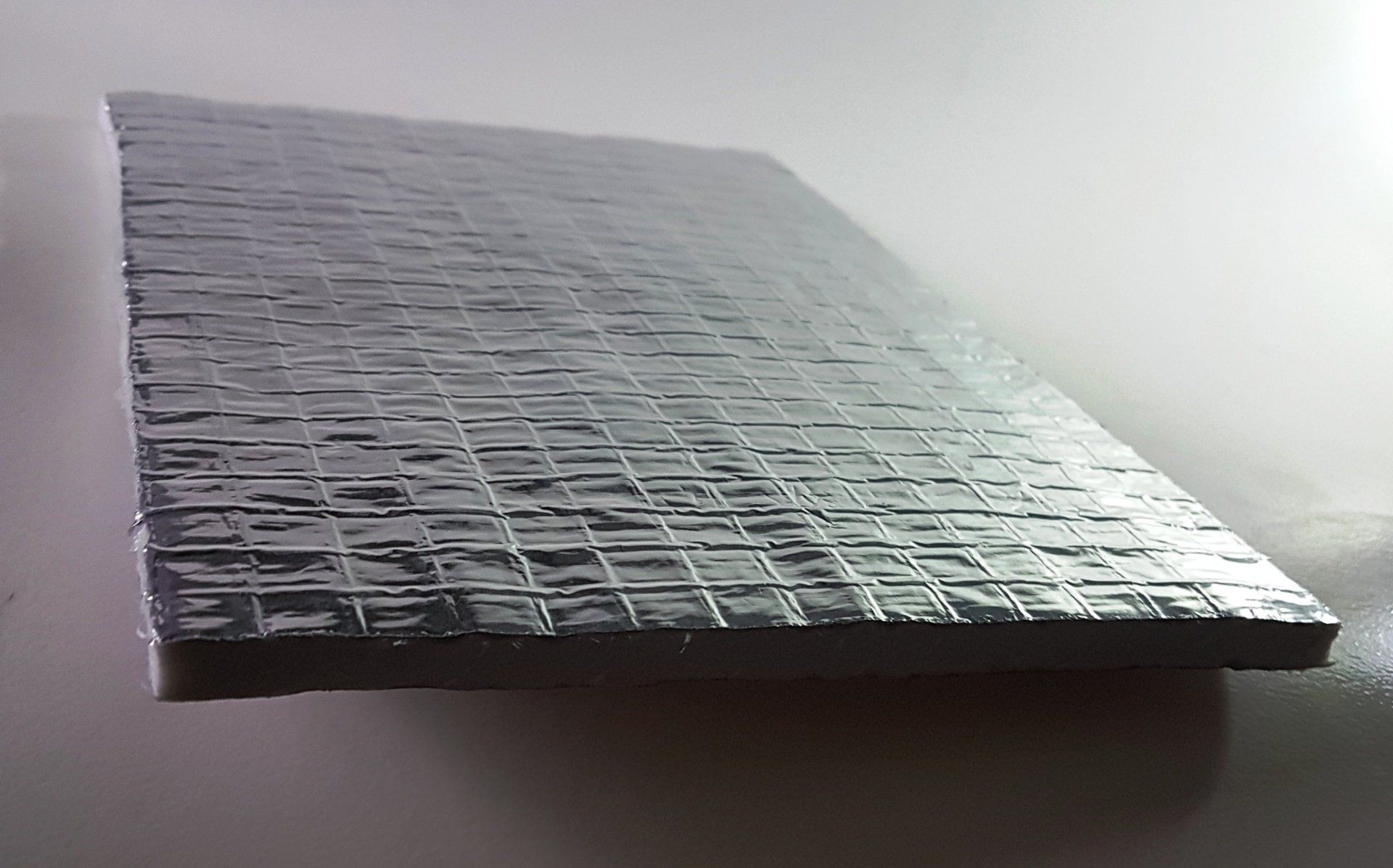
Industrial Hardware InsightsDeploying humanoid robots into extreme industrial environments such as steel foundries, metal casting plants, and glass-manufacturing facilities exposes sensitive onboard neural processing units, battery packs, and wiring harnesses to intense radiant heat surges that can quickly cause catastrophic semiconductor failure and thermal runaway. Overcoming this extreme environmental challenge, thermal hardware engineers have integrated anisotropic carbon-aerogel insulation blankets directly into the interior torso cavities and limb joints of heavy-duty industrial humanoids. Utilizing an ultralightweight nanoporous aerogel architecture reinforced with directionally aligned carbon fibers, these insulation blankets provide extraordinary thermal resistance against radiant heat transfer while maintaining minimal physical thickness and weight. During rigorous thermal chamber evaluations simulating continuous proximity to molten metal pouring operations at over one thousand degrees Celsius, internal core temperatures remained rock-stable within safe operating limits without requiring bulky external cooling jackets or active refrigeration systems. Materials specialists emphasize that anisotropic carbon-aerogel insulation safeguards complex robotic hardware against severe thermal hazards, unlocking reliable bipedal labor for the most punishing heavy-industrial environments on Earth.
Life Science Automation TodayHandling delicate biochemical reagents and dispensing nanoliter droplets in automated pharmaceutical laboratories requires exceptional volumetric precision that traditional stepper motors and solenoids struggle to achieve consistently due to mechanical backlash and fluid stiction. To overcome this liquid-handling bottleneck, robotics engineers have integrated magnetostrictive micro-actuators into the precision pipetting end-effectors of laboratory humanoid assistants. Constructed from specialized rare-earth terbium-dysprosium-iron alloy rods, these actuators exhibit rapid dimensional changes when exposed to controlled magnetic fields, bypassing the mechanical backlash inherent in traditional gear-driven syringe pumps. When tasked with filling high-density 1,536-well microplates, the magnetostrictive plunger modulates fluid displacement with sub-micron positional accuracy, ensuring zero cross-contamination and eliminating sample volume drift across extended testing runs. Quality audits conducted within a high-throughput drug discovery facility confirmed that dispensing accuracy improved by nearly thirty percent compared to conventional automated pipetting stations. Laboratory directors emphasized that combining magnetostrictive physics with humanoid mobility allows automated systems to navigate complex benchtop layouts while executing ultra-precise micro-liquid transfers without manual intervention.
Energy Harvesting ReviewExtended operational endurance remains a critical limiting factor for humanoid robots deployed on remote inspection patrols or disaster-relief missions, as constant joint movement rapidly drains primary battery packs. Addressing this energy drain from within, materials scientists have developed a flexible triboelectric nanogenerator skin that wraps continuously around the high-flexion elbow and knee joints of bipedal platforms. Utilizing contact electrification and electrostatic induction between nanostructured fluorinated ethylene propylene and aluminum foil layers, the skin generates micro-current electrical pulses every time the robot bends or straightens its limbs during walking cycles. Integrated power-management circuitry channels this harvested kinetic energy directly back into the onboard low-voltage sensor bus, effectively offsetting the standby power draw of tactile skin arrays and edge cameras. Field testing across a multi-kilometer industrial facility patrol route demonstrated a measurable extension in total operational uptime before requiring a dock recharge. Plant maintenance supervisors noted that this self-powered skin layer adds negligible mass while transforming waste mechanical energy into functional electricity, marking a significant step toward achieving true untethered autonomy for mobile robotic workforces.
Edge Intelligence DigestTranslating vague spoken human commands—such as 'please tidy up the cluttered workbench and place the steel brackets in the blue bin'—into precise physical robot trajectories has traditionally required heavy cloud computing infrastructure and suffered from noticeable communication lag. Bridging this cognitive gap, artificial intelligence researchers have successfully deployed a compressed, edge-optimized vision-language transformer model directly onto the internal processing cards of test humanoid units. By fusing asynchronous visual data streams from head-mounted stereo cameras with natural language parsing modules locally on the robot, the system interprets complex environmental scenes and contextual instructions without ever connecting to an external server. During live demonstrations in an unstructured manufacturing training center, humanoid units correctly identified obscure components described verbally by operators, planned collision-free grasping paths, and completed sorting tasks entirely offline. System integrators highlighted that running multimodal foundation models locally on edge hardware eliminates cloud latency and network vulnerability, ensuring that autonomous robots can interpret dynamic human instructions reliably in secure or disconnected industrial facilities.
Fleet Coordination JournalManaging large, mixed fleets of automated vehicles and humanoid robots across expansive multi-building logistics campuses often leads to inefficient task assignments when fixed routing software fails to account for real-time battery constraints and unexpected workload surges. To solve this operational inefficiency, software architects have implemented a distributed task-marketplace protocol inspired by economic market bidding theory. In this decentralized framework, every robot in the facility acts as an independent economic agent equipped with a local utility function calculated from its current battery charge, physical payload capacity, and straight-line distance to pending transport requests. When a new pallet-moving or part-delivery ticket enters the system, a lightweight broadcast auction takes place across the local mesh network; the robot best positioned to complete the task with minimal energy expenditure wins the auction claim automatically. Stress tests conducted across a sprawling automotive manufacturing campus demonstrated a sharp reduction in empty travel mileage and optimized charging station utilization across the entire fleet. Operations managers noted that market-based task allocation eliminates central dispatcher bottlenecks, allowing complex multi-vendor robotic ecosystems to self-organize and adapt fluidly to shifting production demands.
Advanced Structural EngineeringDesigning the central torso and spine of a humanoid robot capable of lifting heavy industrial payloads requires balancing extreme structural rigidity against the need to minimize upper-body mass to prevent balance tipping. Overcoming traditional rectilinear frame limitations, mechanical engineers have utilized generative artificial intelligence algorithms to design topologically optimized titanium spine castings for heavy-duty bipedal loaders. Inspired by the natural load-bearing structures found in mammalian spinal columns and bone junctions, the resulting computer-generated geometry removes redundant material from low-stress zones while concentrating high-strength titanium struts precisely along primary torsional and compressive load paths. Fabricated via selective laser melting, the organic-looking spine structure achieved a thirty-five percent increase in torsional stiffness while shedding significant weight compared to standard fabricated aluminum box frames. During heavy lifting benchmarks where humanoid units hoisted fifty-kilogram industrial gearboxes, the optimized spine effectively suppressed frame flexure, ensuring that internal cable harnesses and sensitive gyroscope sensors remained stable under maximum load. Materials specialists emphasize that generative design and advanced metal 3D printing are revolutionizing robot skeletal engineering, enabling machines to lift well beyond their own weight class with absolute structural confidence.
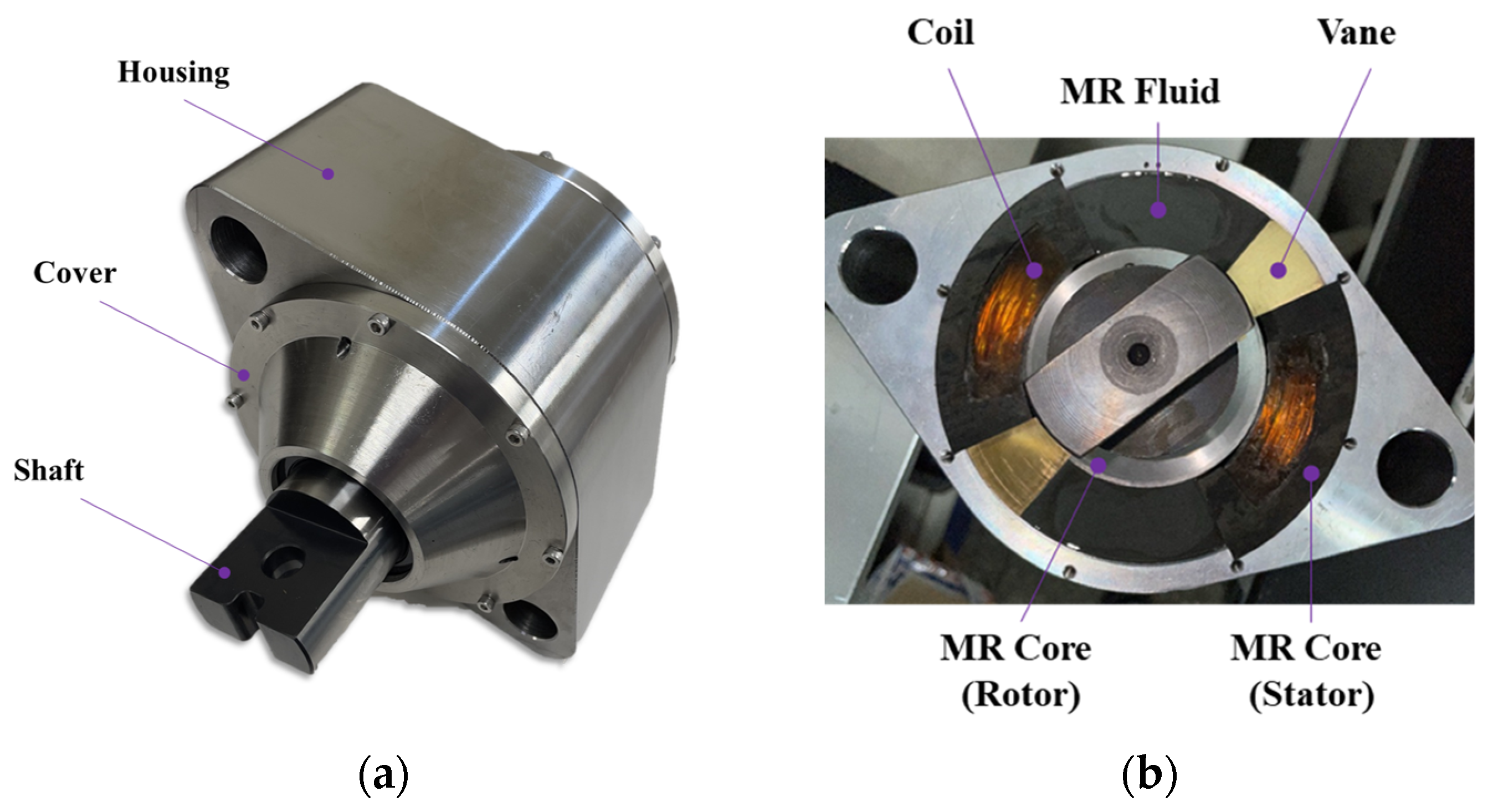
Mechatronics QuarterlyIndustrial humanoid robots traversing unstructured terrain and executing heavy dynamic leaps encounter violent landing shocks that routinely strain mechanical gearboxes, fracture internal load cells, and destabilize core balance routines. To protect bipedal lower limbs from destructive impact forces, mechatronics engineers have successfully integrated magnetorheological fluid dampers into the knee and ankle joint assemblies of high-performance robotic platforms. Within these smart fluid chambers, specialized hydrocarbon oils suspended with microscopic iron particles alter their apparent viscosity from free-flowing liquid to near-solid gel within milliseconds when exposed to variable magnetic fields generated by integrated electromagnetic coils. As the robot's foot strikes the ground, high-frequency inertial and force sensors trigger instantaneous adjustments to the magnetic flux, dynamically modulating damping resistance to absorb peak kinetic energy smoothly without causing foot bounce or stability loss. Rigorous endurance evaluations conducted across jagged boulder fields and concrete drop-test rigs demonstrated that magnetorheological dampers successfully reduced peak shock transmission to internal actuators by over fifty percent while adapting compliance on the fly. Mechanical design specialists highlighted that variable-viscosity fluid dampening provides the robust physical resilience necessary for humanoids to navigate chaotic, high-impact outdoor and industrial environments reliably.
Sensor Systems InsightsMulti-joint articulated robotic spines and flexible torso frames require precise, continuous internal proprioception to monitor multi-axis bending curvature and maintain dynamic equilibrium during heavy lifting tasks, yet traditional discrete joint encoders often fail to capture continuous spinal deformation. Solving this internal awareness challenge, sensor systems engineers have embedded continuous multi-core optical fiber arrays directly along the central axes of flexible humanoid spinal columns. Utilizing advanced Fiber Bragg Grating technology, laser light pulsing through the microscopic glass cores measures minute wavelength shifts caused by localized mechanical strain and multi-axis bending deformations along the entire length of the spine in real time. This continuous optical feedback gives the robot's central balance controller an instantaneous, high-resolution 3D profile of its exact body posture and load distribution without suffering from electrical noise or mechanical hysteresis. Comprehensive kinematic testing during heavy asymmetrical lifting benchmarks verified that fiber-optic shape-sensing enabled sub-millimeter posture tracking and rapid anti-topple corrections. Robotics researchers emphasized that continuous optical proprioception unlocks natural, spine-assisted movement dynamics previously exclusive to biological organisms.
Autonomous Systems ReviewAutonomous humanoid robots deployed for disaster inspection, mining operations, or search-and-rescue missions inside subterranean tunnels, deep basements, and windowless industrial complexes operate entirely without satellite GPS signals and frequently encounter pitch-black darkness filled with billowing dust clouds that blind standard frame-based cameras. To conquer these visually hostile environments, artificial intelligence researchers have successfully deployed neuromorphic event-based visual odometry systems onto navigation sensor heads. Unlike conventional cameras that struggle in low light and produce massive redundant video files, asynchronous event-based pixels fire individual data packets exclusively when local contrast changes occur due to camera motion or environmental shifts. Running specialized visual odometry algorithms directly on edge processing hardware, the robot reconstructs high-precision 3D depth maps and tracks its exact spatial trajectory through pitch-black tunnels in real time with minimal power consumption. Extensive underground field trials confirmed that event-based visual odometry maintained flawless localization accuracy through heavy dust and total darkness without drifting or requiring cloud computational support. Autonomous systems engineers highlighted that event-driven visual navigation is essential for reliable robotic deployment in extreme, infrastructure-free underground environments.
Logistics Technology NewsSprawling automated fulfillment centers operating massive fleets of humanoid workers and autonomous mobile robots frequently experience sudden power crises when high-demand sorting shifts drain specific units far from fixed charging stations, risking costly operational stalls. Addressing this fleet-wide energy imbalance, software architects have developed a decentralized peer-to-peer energy-trading protocol operating over local wireless mesh networks. In this cooperative framework, robots with surplus battery reserves function as mobile microgrid providers; when a remote unit's charge drops below critical operational thresholds, it broadcasts an emergency energy request to nearby idle units. Using automated microgrid negotiation algorithms, the depleted robot coordinates an autonomous rendezvous, engaging high-efficiency inductive wireless charging pads to transfer reserve power directly from neighbor to peer without requiring a return trip to base charging docks. Field stress tests inside a multi-level e-commerce warehouse demonstrated that peer-to-peer energy trading eliminated low-battery downtime entirely during peak surge operations. Logistics directors emphasized that decentralized power-sharing transforms static robot fleets into a resilient, self-sustaining energy ecosystem capable of continuous 24-hour productivity.
Hardware Design DigestPacking high-performance edge artificial intelligence processors, multi-axis motor controllers, and high-current power distribution boards into the compact torso cavities of humanoid robots creates severe thermal concentration challenges that routinely trigger thermal throttling and unexpected shutdowns during intensive multi-hour work shifts. To eliminate localized component hotspots without adding vulnerable liquid plumbing or noisy fans, thermal hardware designers have integrated flat vapor-chamber cooling plates directly into the structural aluminum torso framing. Utilizing a sealed two-phase wick and fluid architecture, internal processor heat vaporizes working fluid at core hotspots, driving rapid vapor expansion across microscopic internal channels toward cooler structural outer walls where condensation releases thermal energy safely to ambient air. Rigorous thermal imaging evaluations simulating continuous heavy-industrial workloads verified that vapor-chamber chassis integration maintained uniform core temperatures and prevented thermal throttling without mechanical maintenance. Hardware engineers noted that embedding thermal management directly into structural load-bearing elements maximizes reliability and protects sensitive computational assets in harsh, unconditioned environments.
Mechatronics Design ReviewFine-motor manipulation tasks such as delicate assembly, precision pipetting, and intricate tool handling demand exceptional wrist dexterity, yet traditional electric gearmotors and mechanical gearboxes often introduce audible motor whine, mechanical backlash, and rigid motion stiffness. Emulating biological muscle bundles, mechatronics designers have successfully engineered compact shape-memory alloy tendon arrays to actuate advanced humanoid wrists and forearm joints. Fabricated from bundles of specialized nickel-titanium alloy wires, these tendons contract precisely when subjected to controlled electrical resistance heating, pulling against opposing elastic return ligaments to achieve smooth, fluid articulation. Because power is transmitted via direct wire contraction rather than meshing gear teeth, the mechanism operates with absolute mechanical silence and zero backlash, ensuring sub-millimeter positional accuracy during high-precision manipulation tasks. Extended cleanroom durability trials confirmed that nickel-titanium tendon arrays maintained flawless operational repeatability over millions of continuous flexing cycles without lubrication degradation. Robotics specialists emphasized that shape-memory alloy actuation provides a silent, lightweight solution for achieving human-like dexterity in delicate robotic end-effectors.
Industrial Safety InnovationsCollaborative humanoid robots sharing dynamic workspaces with human workers face significant safety hurdles when fast-moving arms and heavy torso frames react only after physical contact occurs, risking accidental impacts and operator injury. Closing this safety gap, industrial sensor engineers have developed flexible capacitive proximity ring arrays designed to encircle robotic forearms, shoulders, and tool collars. Composed of embedded conductive elastomer strips connected to high-frequency capacitance-sensing circuitry, these rings project an invisible electrostatic pre-touch sensing field extending several centimeters outward from the robot's physical surface. When a human operator or unexpected obstacle enters this immediate pre-touch perimeter, local dielectric capacitance shifts instantaneously, signaling the robot's safety controller to initiate smooth deceleration curves and avoid collisions before any physical contact takes place. Comprehensive safety trials on fast-paced assembly lines demonstrated that pre-touch capacitive rings completely eliminated hard emergency stops by replacing abrupt halts with fluid, human-aware braking trajectories. Safety compliance officers noted that proactive capacitive sensing significantly reduces worker hesitation and establishes a new benchmark for safe human-robot collaboration.
Explore trending articles and discover new content