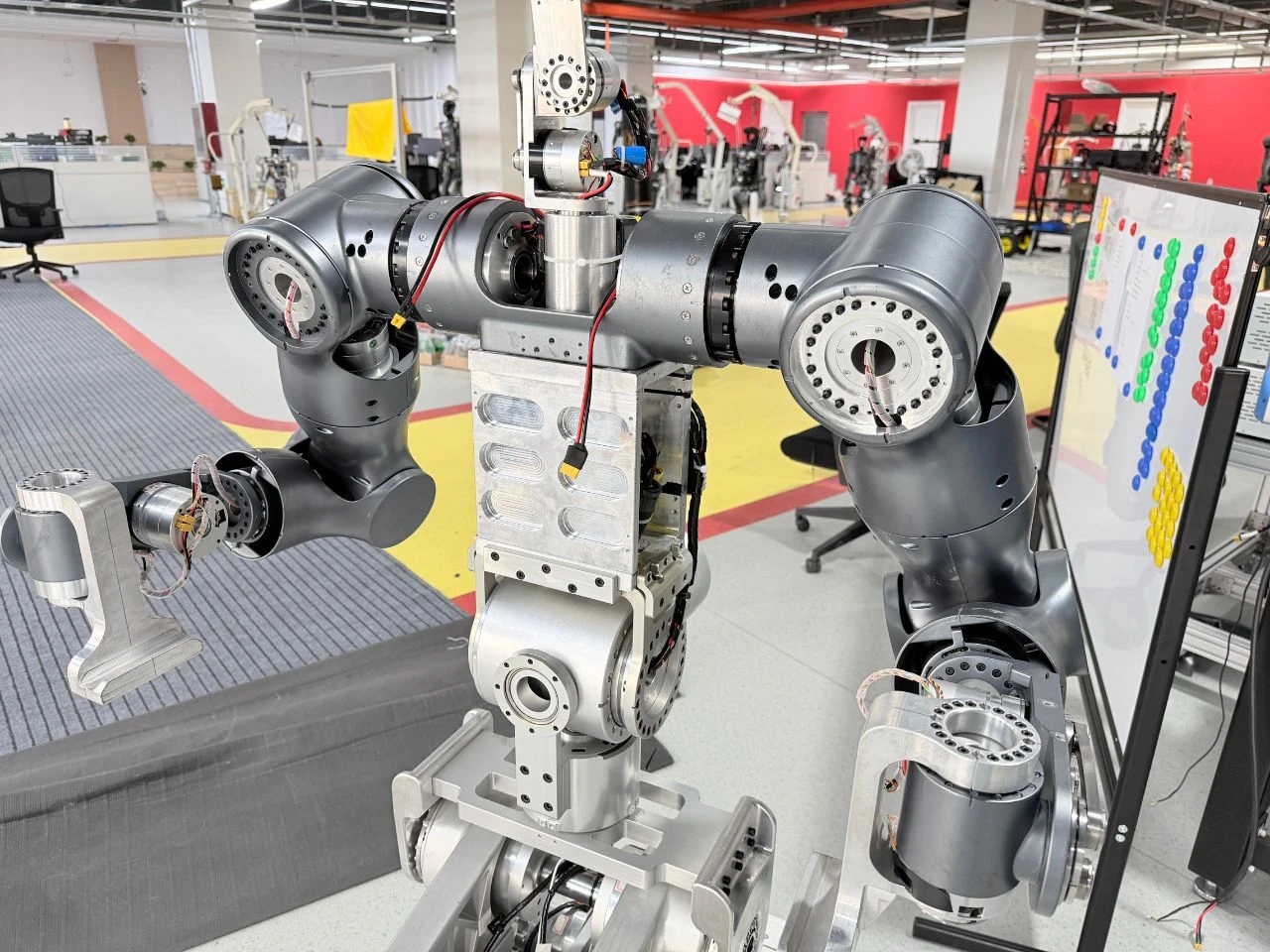
Magnetic Resonance Actuation Eliminates Mechanical Wear in Rotary Humanoid Joints
Rotary joints in industrial humanoid robots—particularly shoulders, elbows, and hips—endure millions of high-torque rotation cycles under heavy loads, frequently leading to accelerated mechanical wear, backlash accumulation, and lubrication breakdown in conventional gearboxes and harmonic drives. Overcoming this persistent maintenance bottleneck, robotics mechanics researchers have successfully developed a contactless magnetic resonance actuation system designed for heavy-duty rotary humanoid joints. By utilizing advanced magnetic field resonance principles, torque is transmitted smoothly across microscopic air gaps between concentric stator and rotor assemblies without requiring meshing gear teeth, sliding friction points, or traditional mechanical contact bearings. This contactless torque transmission entirely eliminates mechanical wear, debris generation, and backlash, ensuring that joint precision remains factory-fresh throughout years of continuous multi-shift operation in dusty, abrasive industrial plants. Extended endurance trials in cement manufacturing and foundry environments demonstrated zero measurable torque degradation or mechanical backlash after tens of millions of continuous rotation cycles, completely bypassing the routine gearbox replacement intervals required by standard actuators. Maintenance leads noted that magnetic resonance actuation dramatically reduces total cost of ownership and maximizes operational uptime for robots deployed in harsh industrial settings.