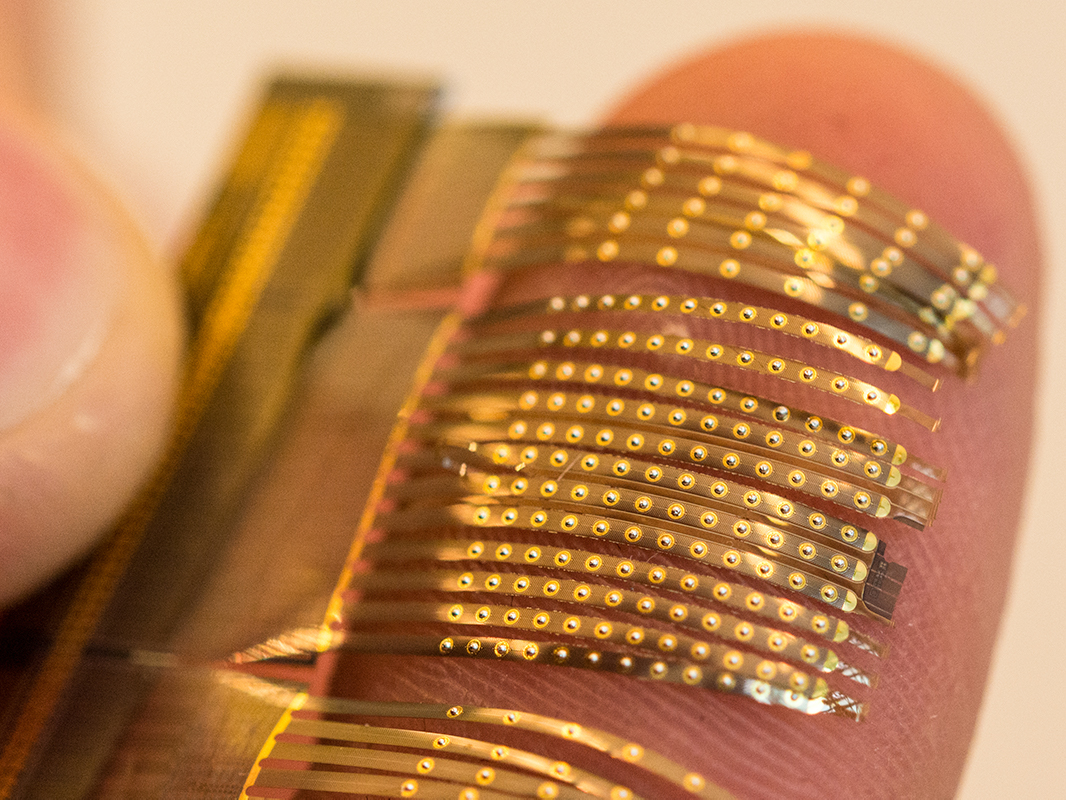
Capacitive Skin Arrays Provide Precision Slip Detection for Delicate Robotic Grippers
Executing fine-motor manipulation tasks—such as handling fragile glass containers, flexible electronic components, or slippery metallic parts—demands advanced tactile perception capable of detecting microscopic sliding motions before an object slips entirely from a robot's grasp. Addressing this tactile feedback gap, sensor engineers have engineered flexible electronic polymer skins embedded with dense matrices of microscopic capacitive nodes designed to wrap seamlessly around multi-fingered robotic grippers. As an object is gripped, the elastomeric skin deforms slightly under normal and shear forces, causing measurable changes in local dielectric capacitance across individual grid points. When a grasped object begins to slide even a fraction of a millimeter, high-frequency scanning electronics register the transient capacitance fluctuations instantly, bypassing the latency of macro-vision systems and signaling the hand controller to micro-adjust grip pressure within milliseconds. Extended performance testing on high-speed packaging lines handling delicate consumer goods revealed a near-zero drop rate and eliminated crushing failures across millions of pick-and-place cycles. Materials specialists noted that because the capacitive sensor matrices are fabricated on stretchable, durable polyurethane substrates, they withstand continuous multi-axis flexing and harsh industrial washing procedures without degradation, establishing a new reliability standard for sensitive robotic end-effectors.