Adaptive Traffic-Light Routing Protocols Prevent Deadlocks in High-Density Automated Fulfillment Aisles
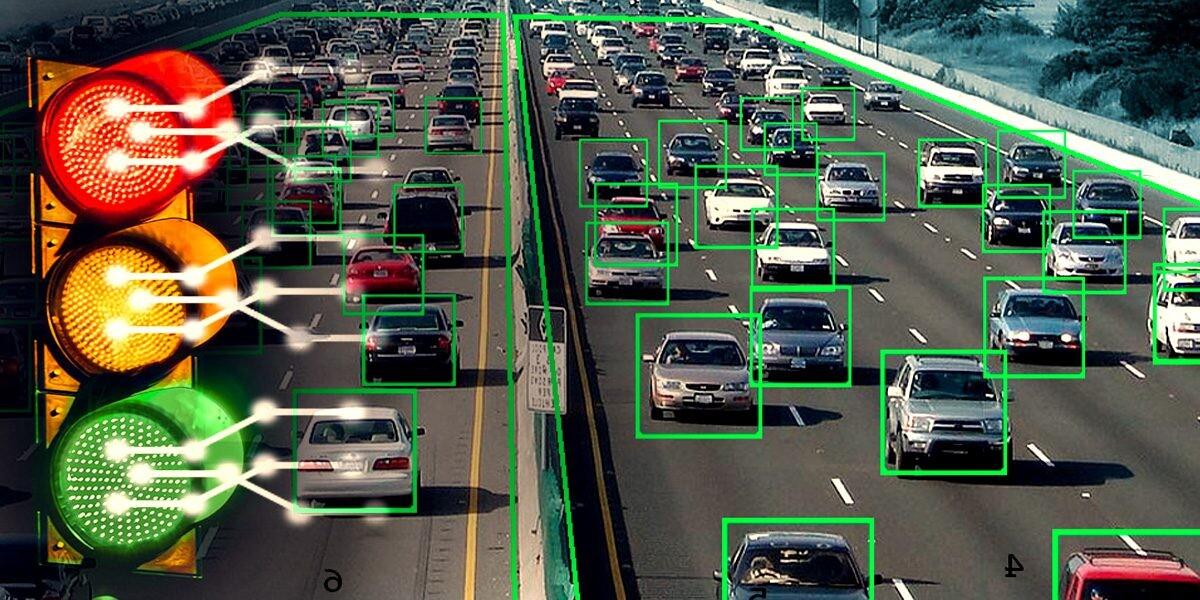
Massive e-commerce fulfillment centers deploying hundreds of autonomous mobile robots and bipedal humanoids concurrently frequently experience severe traffic congestion and gridlock in narrow storage aisles and central cross-junctions during peak holiday ordering surges, leading to cascading delivery delays and idle asset bottlenecks. To eliminate intersection deadlocks, logistics software architects have formulated dynamic adaptive traffic-light routing protocols inspired by smart urban traffic management systems. Treating warehouse floor intersections as a dynamic signaling grid, decentralized coordination algorithms assign virtual right-of-way and adaptive transit windows based on real-time robot density, payload priority, and battery states across approaching units. Each robot's path-planning software incorporates these dynamic intersection signals into its local cost function, automatically adjusting travel speed or taking alternative routing corridors to bypass congested zones before gridlock occurs. Stress testing in simulated high-density fulfillment hubs demonstrated that adaptive traffic-light protocols reduced average retrieval cycle times by over thirty percent and eliminated aisle standstills completely. Operations managers emphasized that intelligent decentralized traffic balancing ensures smooth, predictable throughput across complex multi-vendor logistics facilities without requiring rigid fixed-route infrastructure.