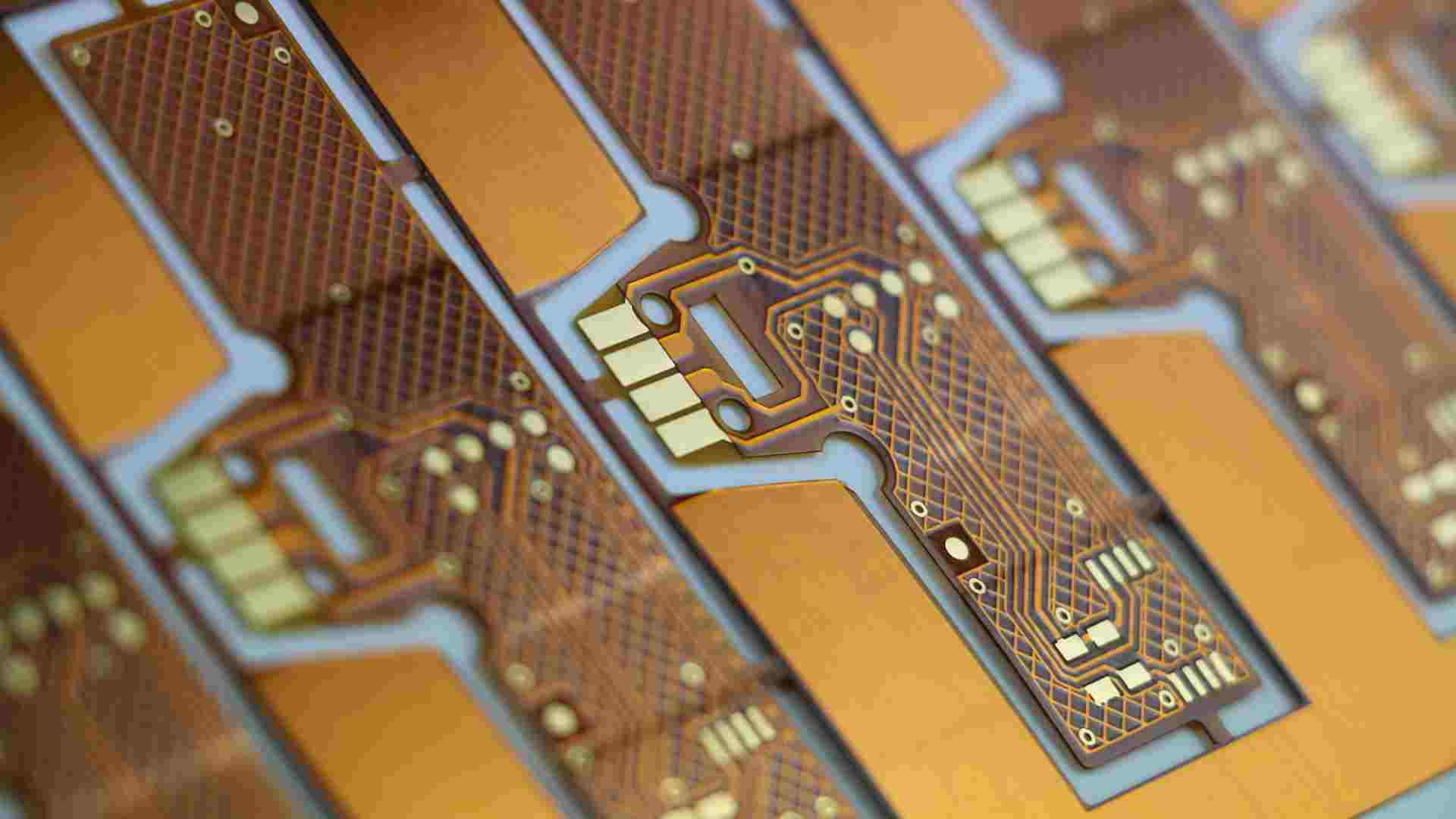
Impedance-Controlled Fingertip Arrays Enable Adaptive Insertion of Flexible Circuit Connectors
Automating the assembly of consumer electronics and delicate electrical harnesses frequently requires humanoid robots to insert flexible printed circuit (FPC) connectors and tiny ribbon cables into tight motherboard sockets—a task complicated by component tolerances, pin bending risks, and complex insertion resistance forces. Solving this micro-assembly challenge, sensor engineers have developed variable-stiffness impedance-controlled fingertip matrices embedded with dense arrays of micro-force sensors and adjustable elastomer cushions. As the robotic fingers approach a connector socket, real-time feedback loops monitor insertion resistance and contact impedance at kilohertz frequencies, allowing the hand controller to dynamically modulate fingertip compliance on the fly. When initial pin contact is made, the fingertips soften to gently wiggle, align, and snap delicate electrical pins into place without exerting excessive force that could fracture fragile connectors or bend terminal pins. Production line evaluations inside high-volume smartphone manufacturing facilities recorded a near-zero defect rate across millions of automated connector insertions, drastically outperforming rigid pneumatic grippers. Quality control inspectors highlighted that impedance-controlled fingertip matrices bridge the final dexterity gap required for robots to master intricate electronics manufacturing workflows.