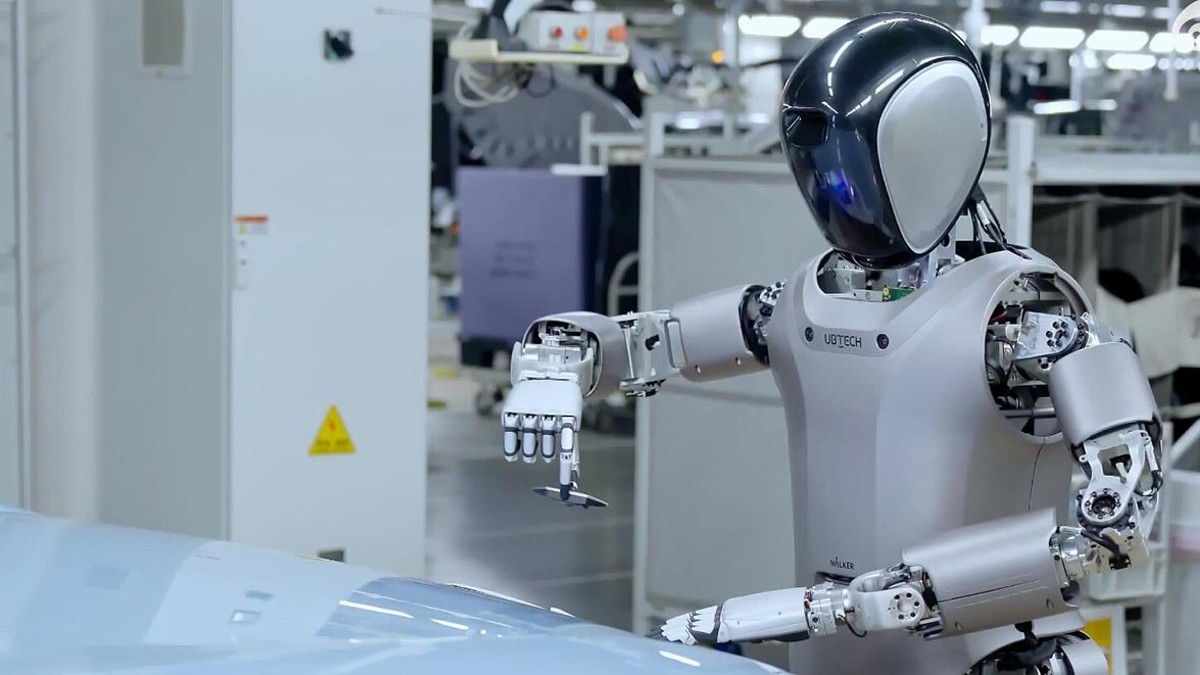
Dynamic Task-Allocation Protocols Optimize Mixed Human-Robot Assembly Line Workflow
In modern advanced manufacturing facilities featuring collaborative assembly lines where human operators and bipedal humanoid robots work side-by-side, static task assignment schedules frequently lead to workflow bottlenecks, idle worker downtime, and inefficient asset utilization when production pacing fluctuates unexpectedly. To optimize hybrid workforce productivity, software architects have formulated advanced dynamic task-allocation protocols driven by real-time telemetry and worker fatigue monitoring. Utilizing distributed auction algorithms running over local wireless mesh networks, the system continuously monitors assembly line pacing, station backlogs, and biometric or ergonomic fatigue indicators of human operators. When a bottleneck or slowdown is detected at a specific workstation, the task-allocation protocol instantly reassigns heavy lifting, parts replenishment, or repetitive sub-assembly duties between human operators and available humanoid units to maintain optimal line balance. Comprehensive empirical testing across major automotive assembly lines demonstrated a significant boost in overall line throughput and a marked reduction in ergonomic strain reported by human workers. Operations managers emphasized that dynamic task-allocation protocols ensure seamless, stress-free synergy across mixed human-robot teams, transforming rigid factory floors into highly adaptable manufacturing environments.